Archive
MoneyArt 50QR
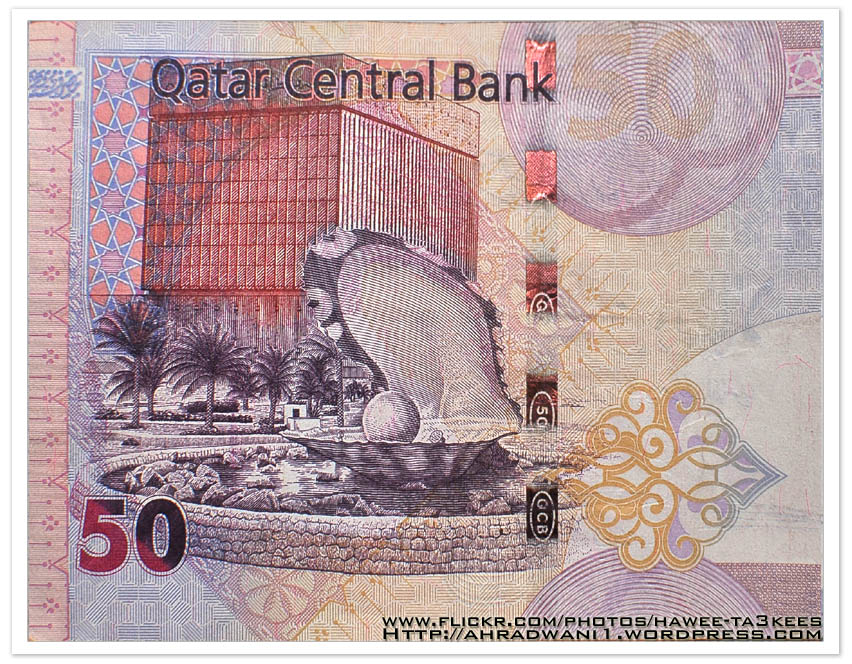
This is a shot of the 50 Qatari Riyal [1$ = 3.65QR], it’s a red money paper with some draws.
It shows the building Qatar Central Bank with seashell and pearl in front of it.
This is part of the money paper, the other half dose’t show any art.
You can find a list of all BankNotes graphics on this link.
MoneyArt 10QR
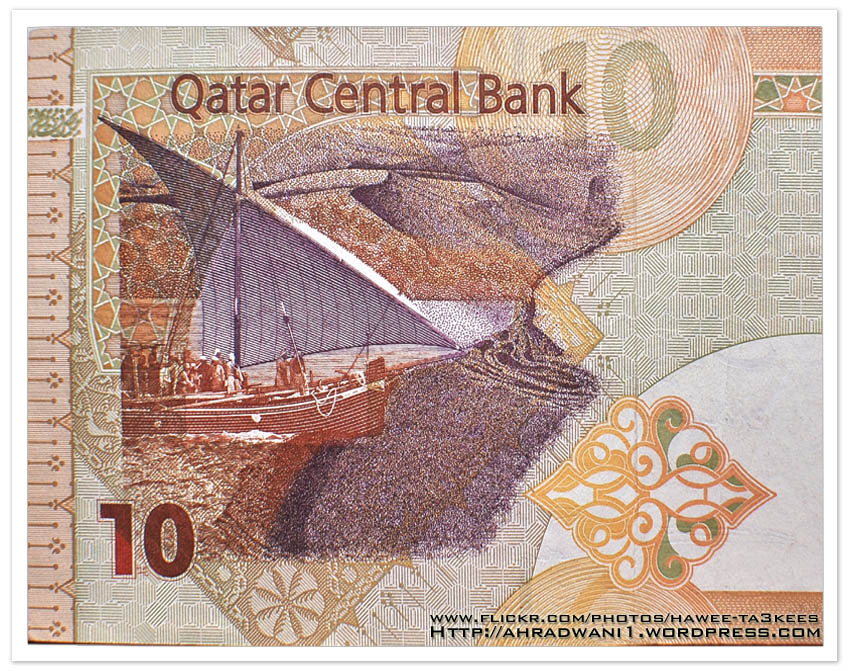
This is a shot of the 10 Qatari Riyal [1$ = 3.65QR], it’s an orange money paper with some draws.
It shows the traditional boat and the pearl gathering season from Qatar/Gulf cultures.
This is part of the money paper, the other half dose’t show any art.
You can find a list of all BankNotes graphics on this link.
MoneyArt 5QR
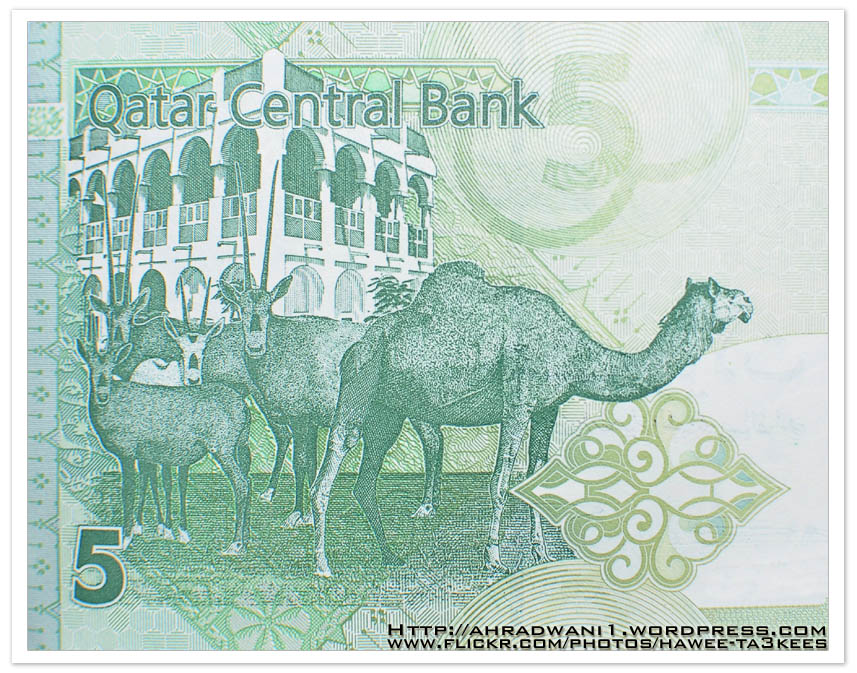
This is a shot of the 5 Qatari Riyal [1$ = 3.65QR], it’s a green money paper with some draws.
It shows a Camel and some Arabian Oryx and a traditional building in the background.
This is part of the money paper, the other half dose’t show any art.
} Camera Setting {
Camera: NIKON D90
Exposure Time : 1/50″
F Number : F4
Exposure Program : Manual
Exposure Bias Value : +5EV
Focal Length : 35mm
You can find a list of all BankNotes graphics on this link.
The Amphitheater @ KATARA
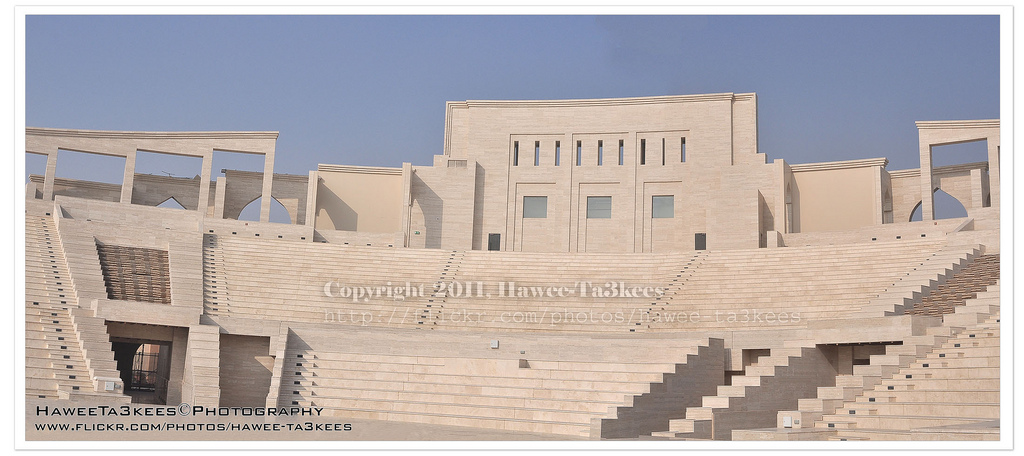
This Amphitheater can be fond in Katara. I merged two photos with some photoshop touch to get this wide angle.
[Click the image to enlarge]
More photos of KATARA on my flickr Hawee-Ta3kees
The Mosque in KATARA after Adobe LightRoom effect..
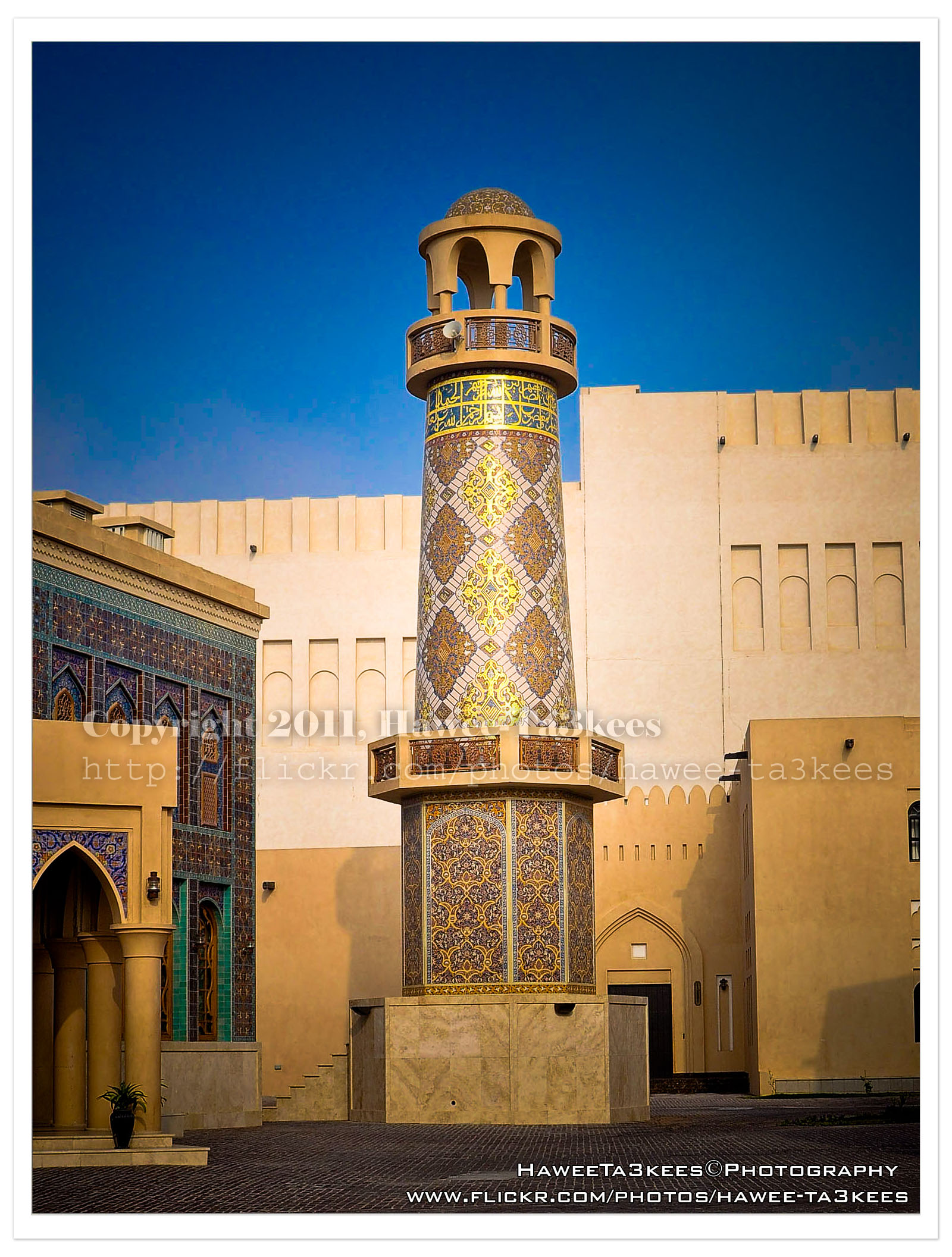
This photo is for the Mosque in KATARA after adding some Adobe LightRoom effects. [Click the image to enlarge]
To see it before the LightRoom effects Click Here..
The Mosque in KATARA
KATARA is the old name of Qatar, fond in old Maps & Manuscripts, these daysKatara is the name given to the cultural village in Qatar, it is located between Doha’s West Bay and the pearl Project. It has been soft-opened in October 2010 During Doha Tribeca Film Festival the DTFF[1], and TEDxDoha. Many Qatari organisations have their offices in Katara. These include the Qatari Society for Engineers, Qatar Fine Arts Society, Visual Art Centre, Qatar Photographic Society, Childhood Cultural Centre, Theatre Society and Qatar Music Academy.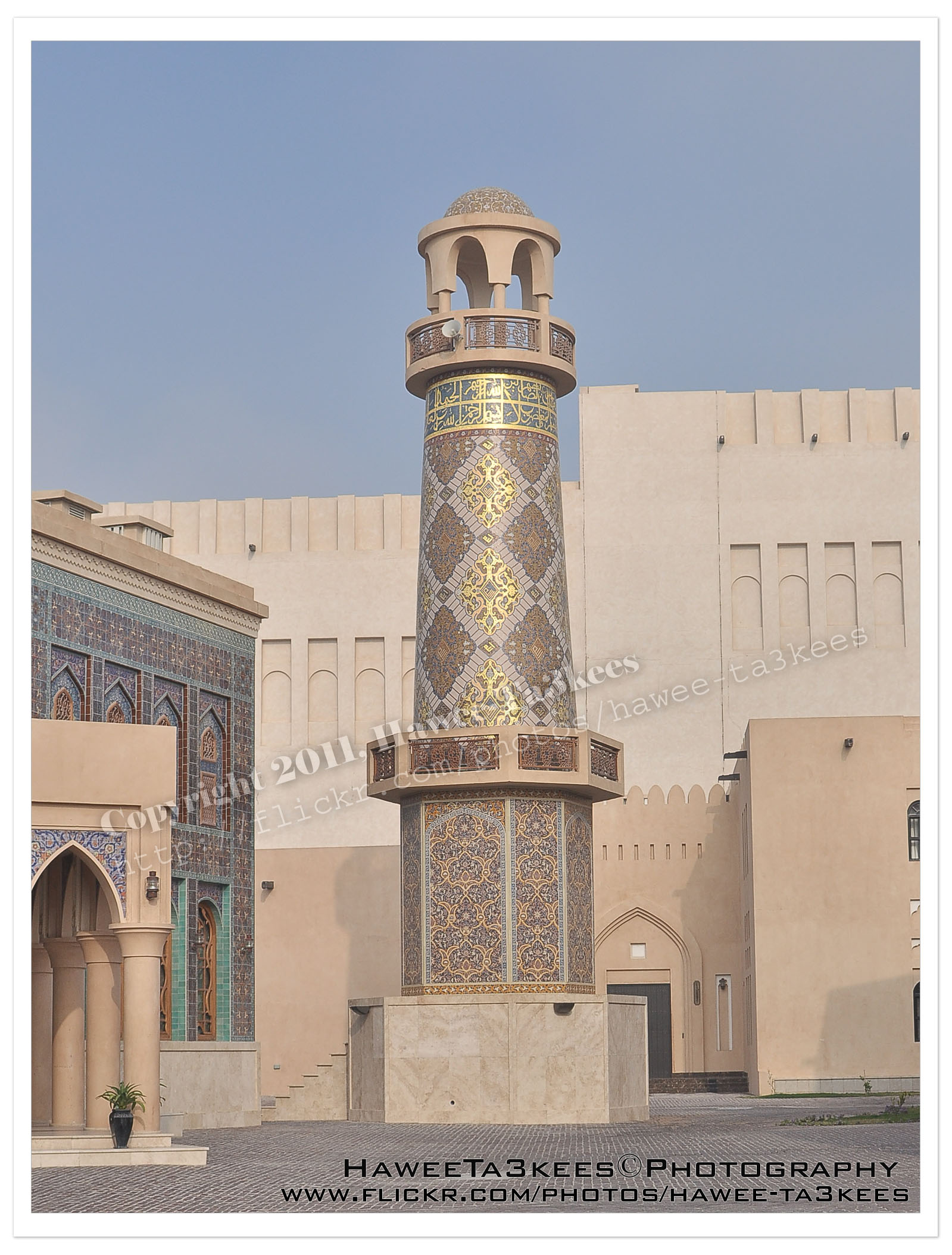 [Click the image to enlarge]
Here I am posting one of the KATARA photos “The Mosque” other photos will be posted all under KATARA Tag.
Another shot:[Click the image to enlarge]
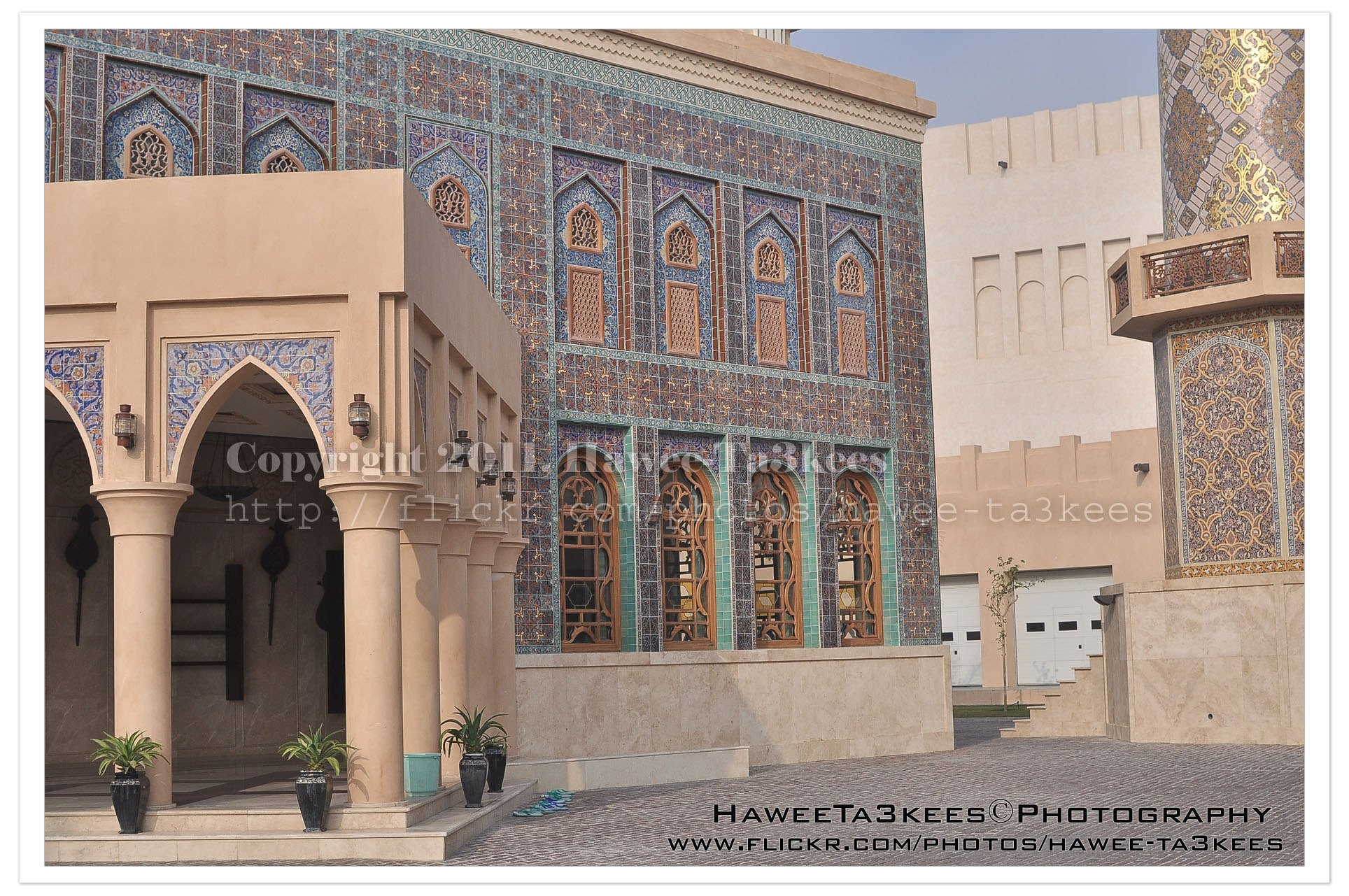
Other Photos of KATARA are in my Flickr site.
And you can see them on Google Map/Earth by clicking here..
Photo from Austria 1998 .. Photo #2
Another photo from Austria 1998, it is a flower clock in Stadtpark. [Click the image to enlarge]
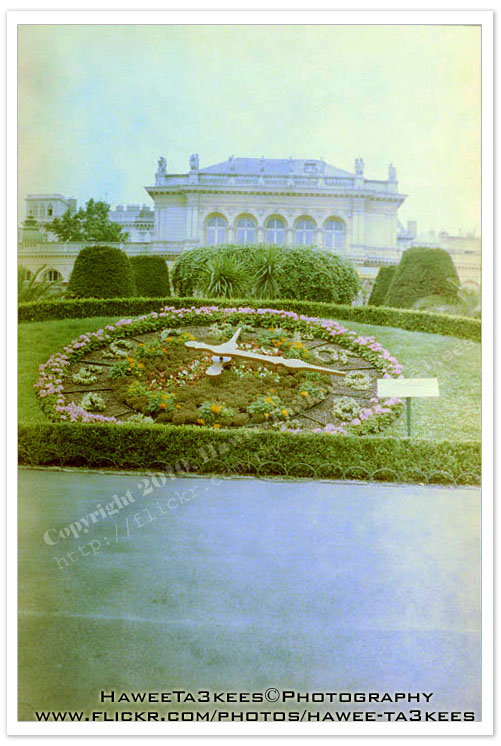
Film camera, Austria-1998, the negatives converted to JPG in 2010.
Click for more detail on ‘Convert Negative to JPG project‘.
Ali,
The Eiffel Tower
 One of the most beautiful place that I visit, I went to Paris in 2008 there I use my Sony T100 camera, and here are some of ‘Eiffel Tower‘ photos hope you like it. Here is form information:
Country: France
Capital: Paris
Land Area: 86.9 km²
Population: 12,067,000 (2007)
”Data source: Wikipedia”
About Eiffel Tower
The Eiffel Tower was originally built as a temporary structure to commemorate the centennial of the French Revolution.
It has three floors, the first is at 57m, the second at 115m, and the third at 276m. The top of the aerial is 320 m. above the ground. On a clear day, you can see from the top of the platform, the whole of Paris and the distant suburbs.
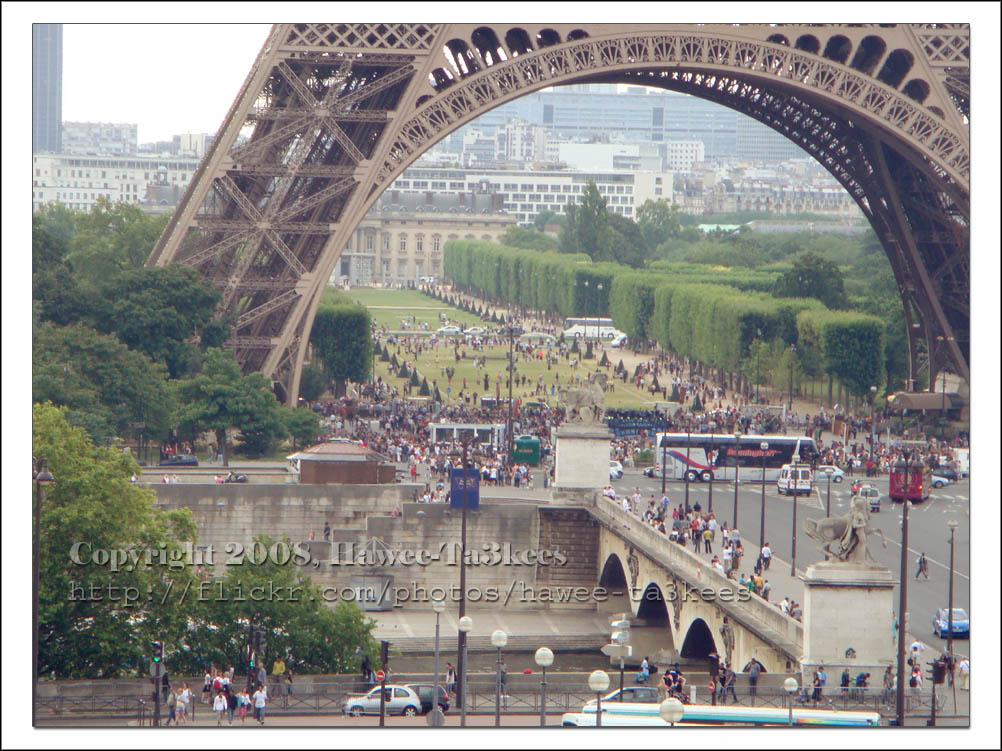
I was stand on ” Palais de chaillot, trocadero ” it is wonderful place; lots of people, from there you can watch all the Eiffel.
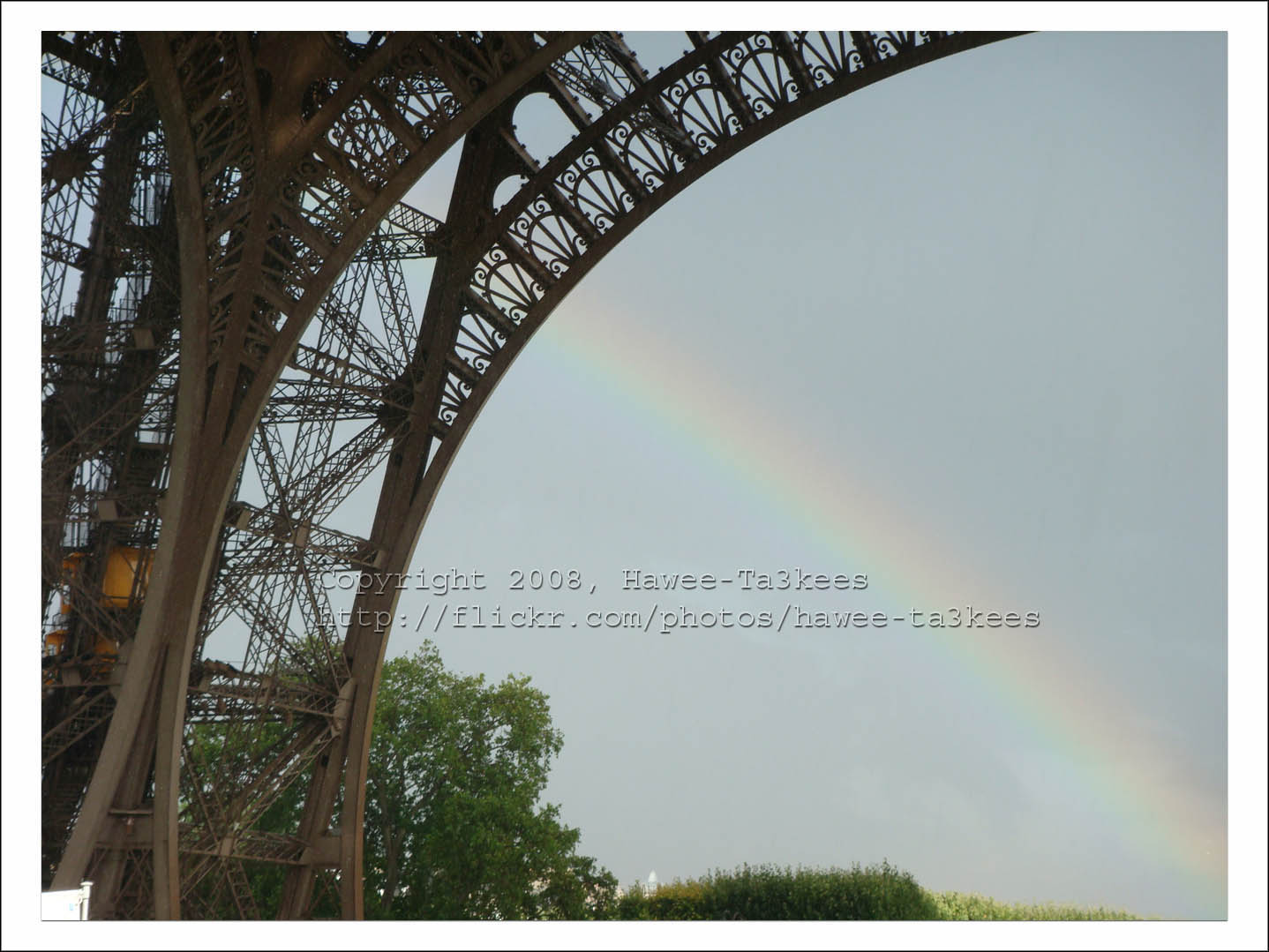
The Rainbow under Eiffel, it was rainy, sunny and windy day, all together ….. wonderful day.
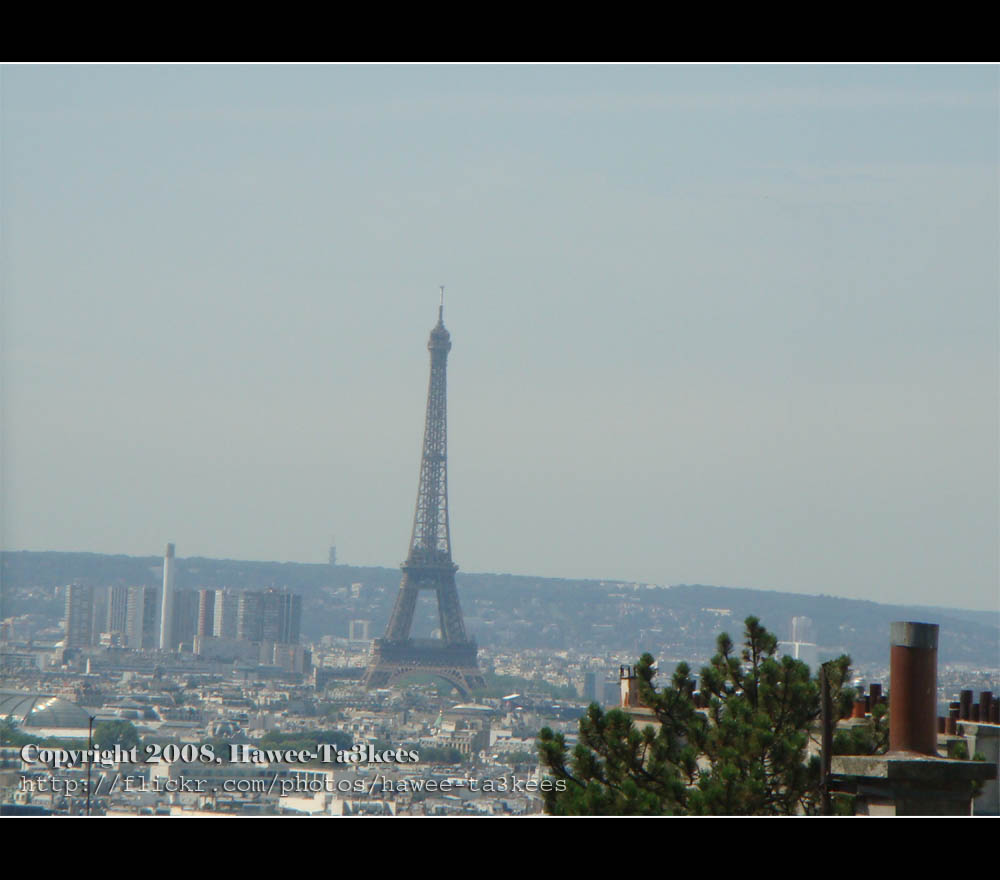
A shot of Eiffel Tower from Sacre Ceure, you can see all Paris from up there.
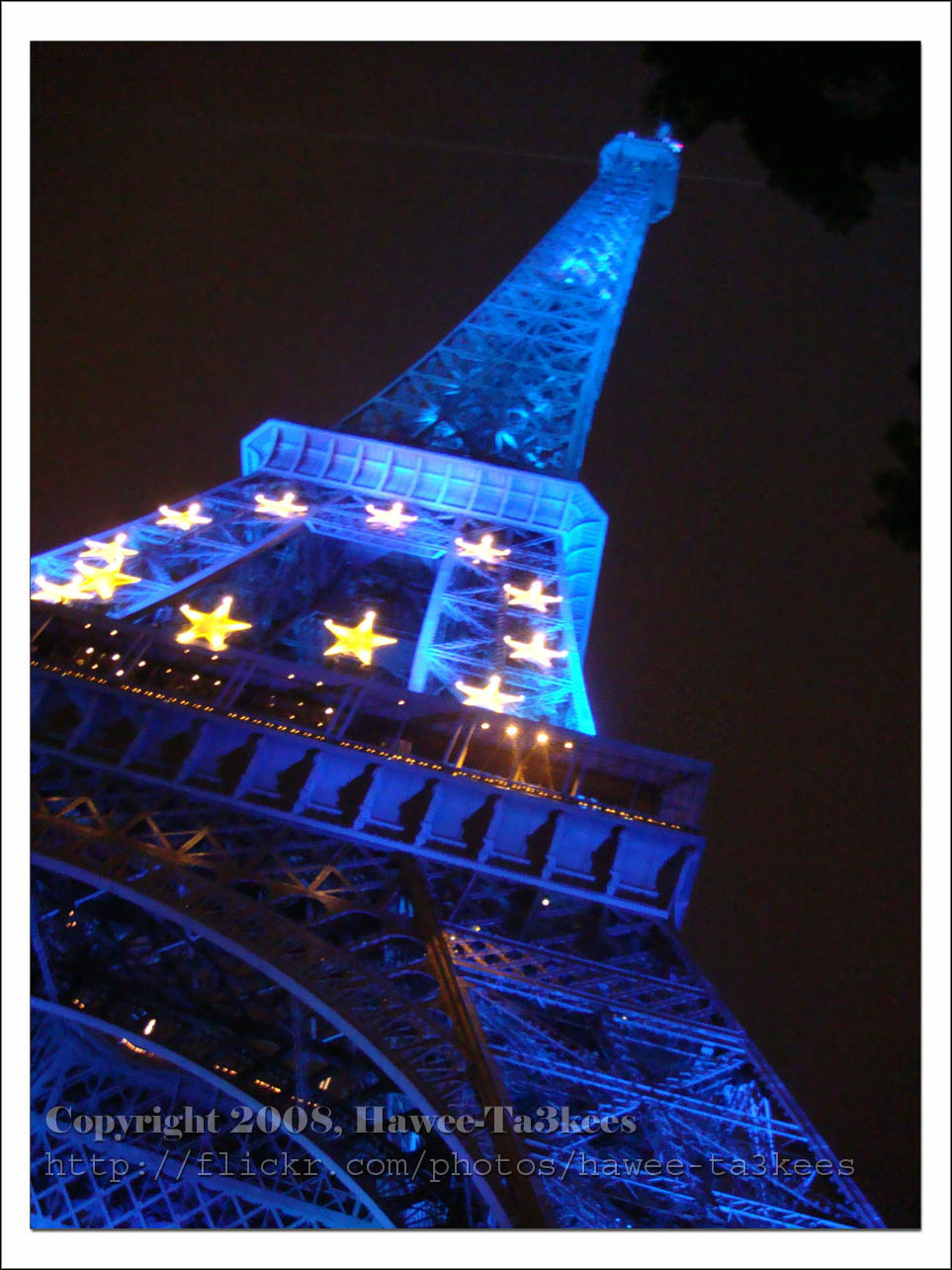
Nothing like the Lights and Nights in Paris, AMAZING… here is the Eiffel Tower with it’s blue lights and the European Union Stars.
More photos are on my Flickr : Hawee – Ta3kees
Ali,
Qatar Islamic Museum – متحف الفن الاسلامي، قطر
* Designed by architect I. M. Pei. [ Chinese-born American architect]
* Opened to the public in December 2008.
* Showcases a selection of Islamic artefacts.
* Museum have nearly 5,000 square meters of exhibition space.

 Islamic Dagger wih gold and shell hand, hang with its Green & Gold Scabbard.
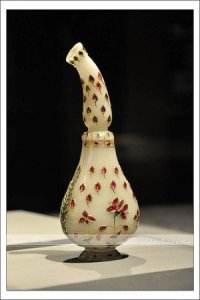 The Arab use this to Splashing the "Rose Water" (kind of perfume) on their guests. This masterpieces made of shell decorated by Red, Green and gold flowers.

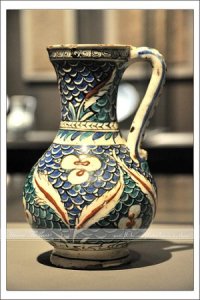 Two Potteries decorated by flowers and nice blue, orange, green and some whaite and yellow colors.
For more about Qatar Islamic Museum visit my flickr account Hawee-Ta3kees, or Click here to go direct to the Museum of Islamic Art in Qatar.
.
History of the Ballpoint
Hungarian journalist Laszlo Biro was well aware of the problems with normal pens. Biro believed that the idea of a pen using a quick-drying ink instead of India ink came to him while visiting a newspaper. The newspaper’s ink left the paper dry and smudge-free almost immediately. Biro vowed to use a similar ink in a new type of writing instrument. To avoid clogging his pen up with thick ink, he proposed a tiny metal ball that rotated at the end of a tube of this quick drying ink.
-
It would act as a cap to keep the ink from drying.
-
It would let ink flow out of the pen at a controlled rate.
In the United States, the first successful, commercially produced ballpoint pen to replace the then-common fountain pen was introduced by Milton Reynolds in 1945. It used a tiny ball that rolled heavy, gelatin-consistency ink onto the paper. The Reynolds Pen was a primitive writing instrument marketed as "The first pen to write underwater." Reynolds sold 10,000 of his pens when they were first introduced. These first publicly sold pens were very expensive ($10 each), primarily because of the new technology.

Taking pictures is not my main daily practices, but when i start playing with my camera, i really enjoy my self.
Thanks for visiting my Space..


 Ali's Photography Space...